About Us
Overview of International Climate Negotiations


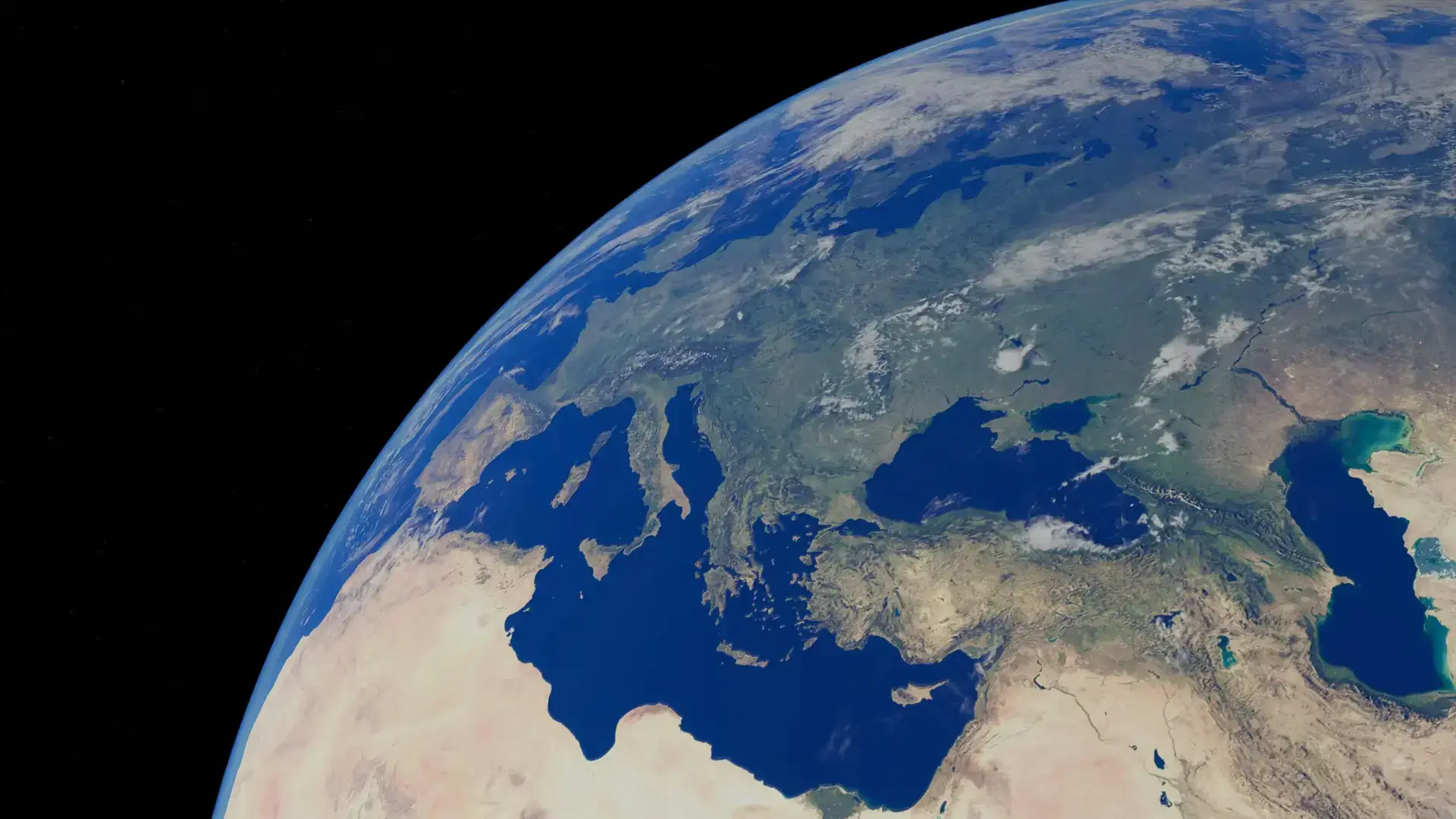
A Brief Look at Climate NegotiationsCOP31 is the 31st session of the global negotiation platform where countries meet annually under the United Nations Framework Convention on Climate Change (UNFCCC).
Governments, international organizations, scientists, and the private sector come together under COP31 to develop shared policies on emissions reduction, climate finance, adaptation, and resilience. Building on milestones such as the Kyoto Protocol and the Paris Agreement, this process continues to serve as one of the most influential mechanisms shaping global climate governance.
UNFCCC Legacy
Our History & Framework
"Climate change is humanity's common problem."
The 1992 Rio Earth Summit laid the foundation for climate action. As COP31, we carry this legacy into the future.
TURNING POINT
"That historic moment when we united for our planet."
Who Participates?
Tens of thousands of people, including...
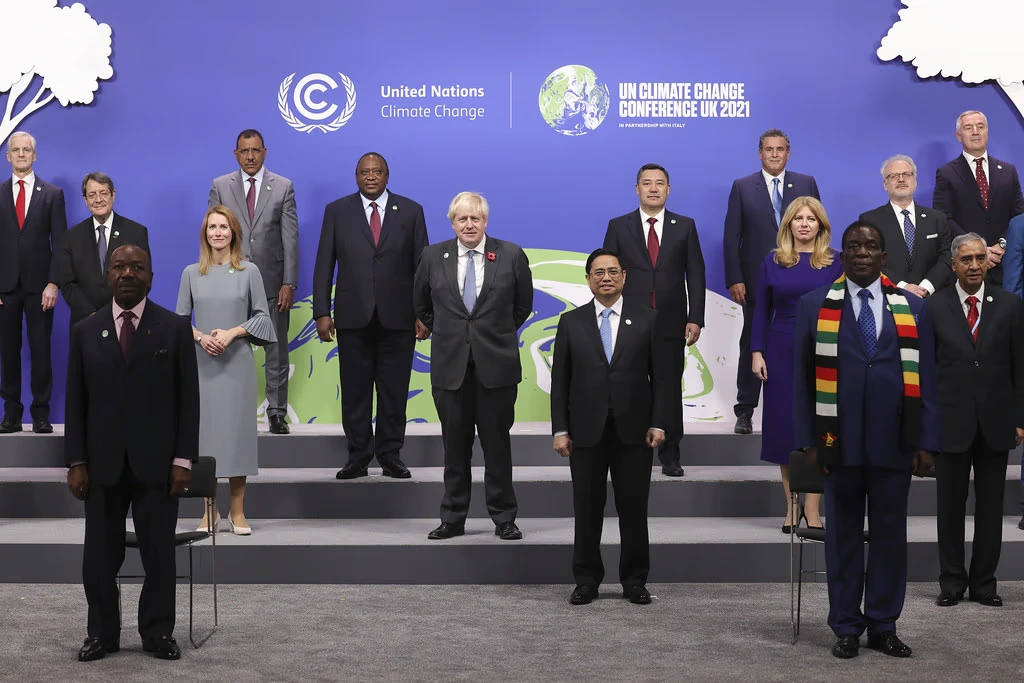
World Leaders
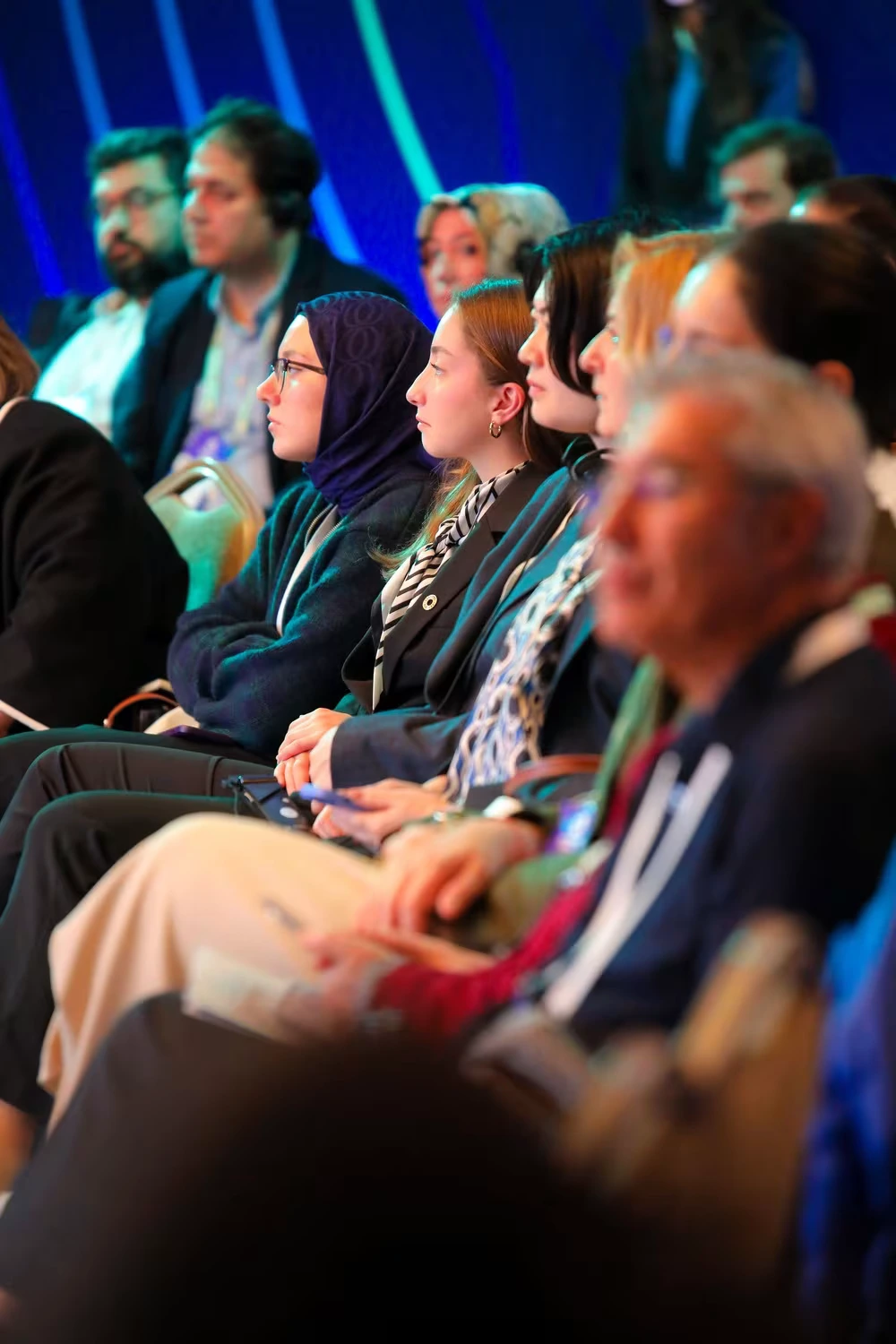
Youth Representatives
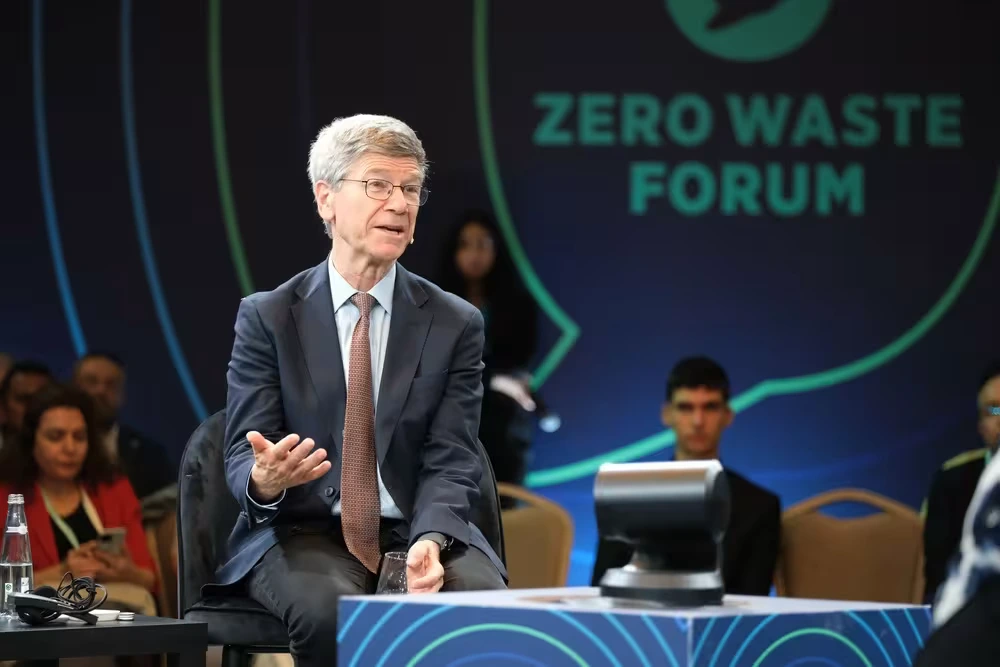
Scientists

NGOs

Private Sector
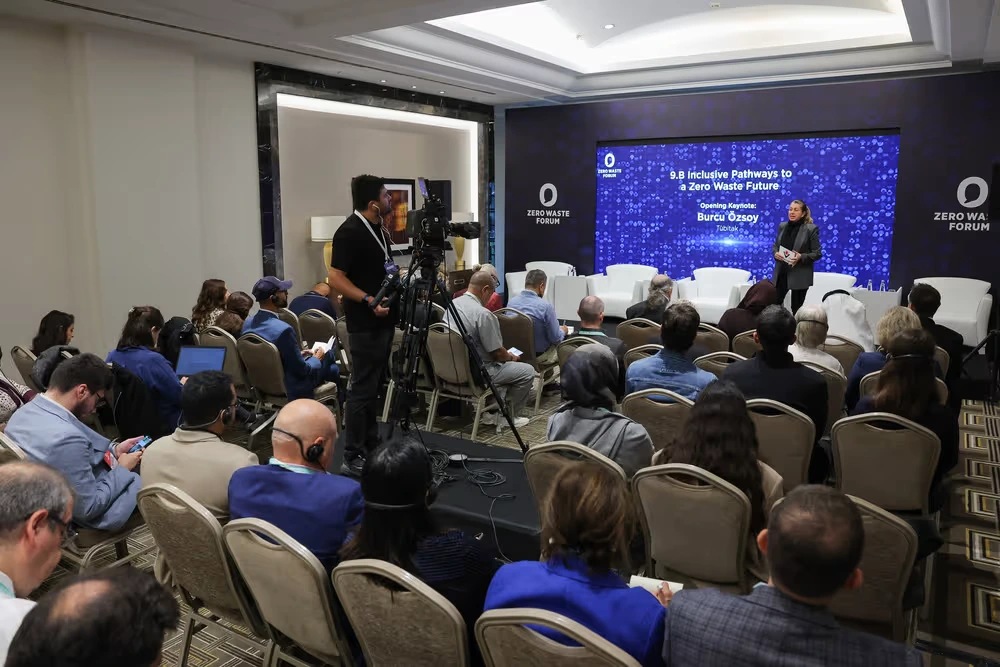
Media
Why is COP31 Important?
Decisions made at COP31 shape not only government policies, but also our daily lives, global economies, and the future of generations to come.
How Does COP31 Work?
Leaders' Summit
Ministerial-Level Negotiations
Technical Negotiations
NGO & Youth Participation
Pavilions & Side Events
Final Decisions
Paris Agreement and NDCs
"Let us work together to limit global temperature rise to 1.5°C."
To this end, countries set their NDCs (Nationally Determined Contributions). For Türkiye, this process presents new opportunities both for strengthening climate security and advancing green development.
Climate Action Begins at the Source
COP31 and the Zero Waste Approach
The Zero Waste approach expands climate action beyond carbon reduction by focusing on resource efficiency, sustainable consumption, and circular economy principles.
In this context, the Zero Waste Foundation’s active role in COP31 contributes directly to advancing sustainable transformation both in Türkiye and on a global scale.
Common Goal
"Ensuring that world nations follow a common path in the fight against climate change."