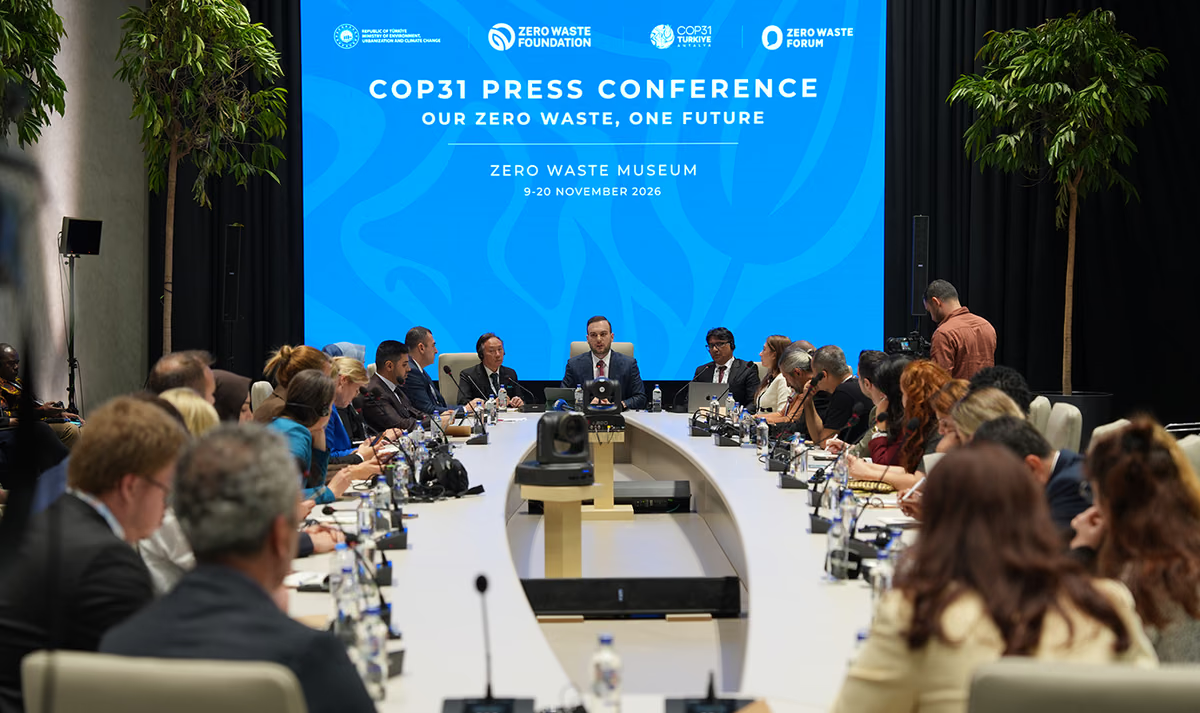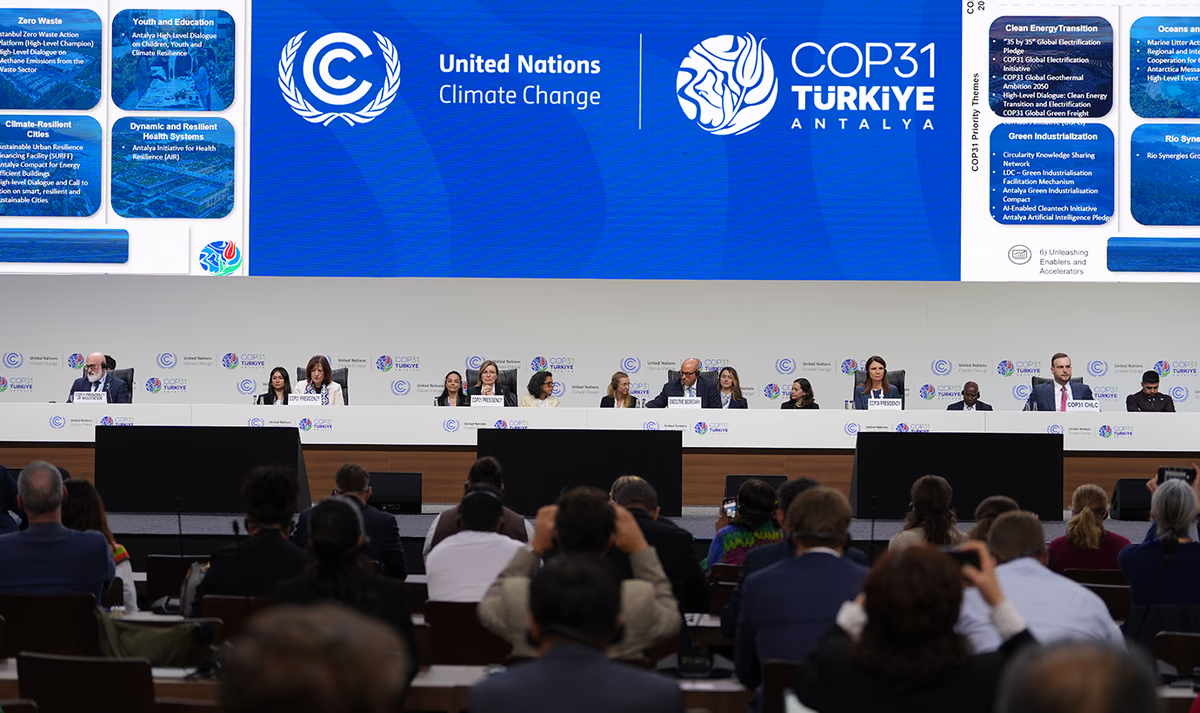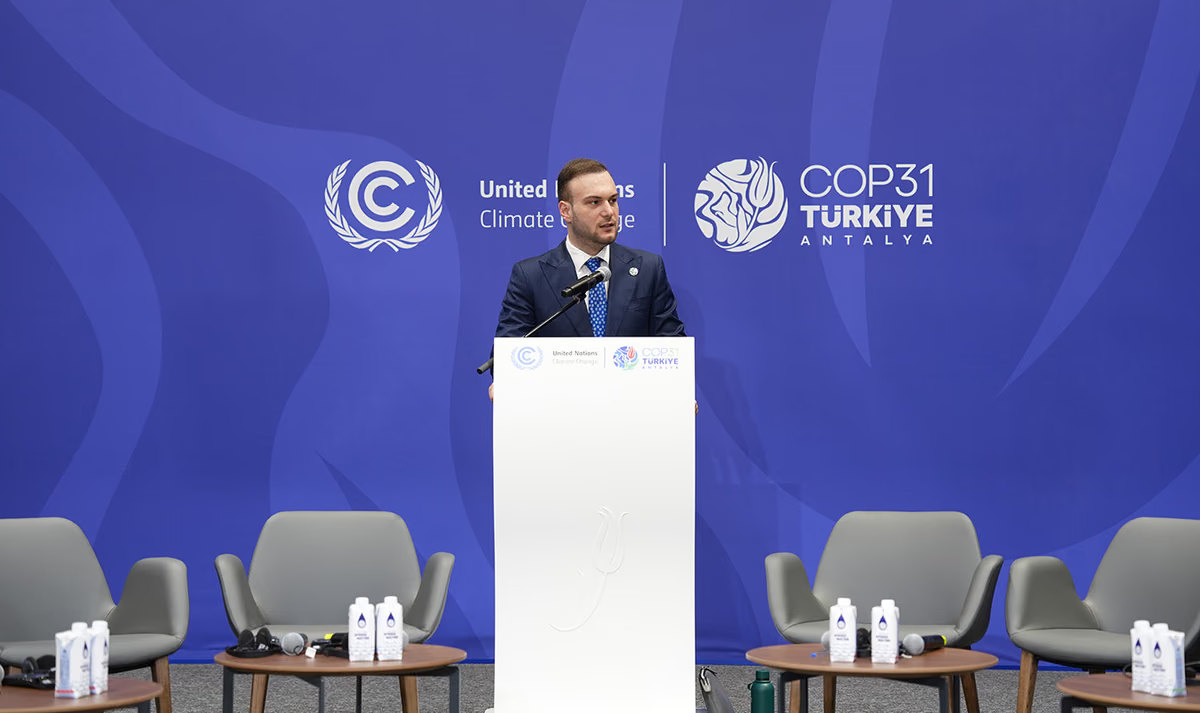
At the Axis 3 session held in the Blue Zone of COP31, practices that transform food systems and ways of scaling up these solutions were discussed. Delivering the closing remarks, Samed Ağırbaş, President of the Zero Waste Foundation and High-Level Climate Champion, pointed to the transformation taking place on the ground and stressed that climate action must focus on results.
Bringing Together Food, Agriculture and Health
The meeting, held as part of Food, Agriculture and Health Day, brought together civil society organizations, the private sector, international organizations, government representatives and financial institutions. During the session, the contribution of food systems to the fight against climate change was assessed through practical examples, and models that can be implemented in different countries and initiatives that deliver results were put on the agenda.
Linking the Action Agenda to Implementation
Ağırbaş described how he sees the climate action agenda: “I do not see the action agenda as a series of side events organized around the negotiations. I see it as part of the implementation mechanism.”
Referring to what the transformation of food systems looks like on the ground, Ağırbaş said: “You have proven that the transformation of food systems is not a distant goal for tomorrow. This transformation is happening right now, on the ground, in communities around the world. What we have heard today is real proof of progress. We have seen strong partnerships that turn plans into practical action. We have seen measurable results for smallholder farmers, women, young people and food security. We have also seen proven, scalable models with concrete results that are ready for further investment.”
Field Experience for Countries’ Climate Plans
It was noted that the experience and solutions shared could help countries set more ambitious targets in their new Nationally Determined Contributions (NDCs) and National Adaptation Plans.
It was emphasized that success at COP31 should be measured not by announced targets and declarations, but by concrete changes that are reflected in people’s lives.
The results-oriented nature of climate action was highlighted through work in diverse geographies such as Istanbul, Kibera, Yokohama and Antalya. The message was that contributing to the wider-scale implementation of solutions is a core goal of COP31.
Scaling Up Solutions in Agriculture and Food Security
The need for solutions to the impact of food loss on communities was expressed with the words: “If food loss is harming communities, we need solutions that will reduce it.”
Addressing the risks and opportunities in agriculture and food security, Ağırbaş said: “Agriculture and food security are the areas where climate change hits families hardest, but they are also where our greatest opportunities lie.” Noting that the solutions presented mean more than isolated success stories, Ağırbaş said they offer a practical roadmap that every country can use to raise its ambition in its new NDCs.
Stating that linking targets with implementation is among the duties of the High-Level Champions, Samed Ağırbaş said the question “What will change because COP31 took place?” should be at the center of the climate agenda.
The Zero Waste Approach on the Summit Agenda
The Zero Waste approach, which has become a global transformation movement under the leadership of Her Excellency Emine Erdoğan, Founder of the Zero Waste Movement, Chair of the United Nations High-Level Advisory Board on Zero Waste and Honorary President of the Zero Waste Foundation, also took an important place at the COP31 Summit. The summit was organized under the leadership of Murat Kurum, Minister of Environment, Urbanization and Climate Change and COP31 President, in line with the vision of President Recep Tayyip Erdoğan in the fields of environment and climate.